From early concept to production-ready hardware, we turn technical ideas into robust electronic products.
Our work combines analog design, advanced PCB development, embedded systems, mechanical integration, and hands-on prototyping.
Designing a circuit is only one part of the process. A successful product also requires careful consideration of manufacturing, sourcing, assembly, testing, and production readiness.
That is why we stay actively involved throughout the entire development cycle, making decisions that simplify manufacturing, reduce risk, and improve the reliability of the final product.
From schematic design and PCB layout to DFM reviews and production ramp-up, we stay close to the process at every stage.
PCB design (4 – 16 layer), mixed-signal and RF layout, embedded firmware, power electronics, wireless protocols, and production support.
One team. Full ownership. No hand-offs.
From early concept to production-ready hardware, we turn technical ideas into robust electronic products.
Our work combines analog design, advanced PCB development, embedded systems, mechanical integration, and hands-on prototyping.
Designing a circuit is only one part of the process. A successful product also requires careful consideration of manufacturing, sourcing, assembly, testing, and production readiness.
That is why we stay actively involved throughout the entire development cycle, making decisions that simplify manufacturing, reduce risk, and improve the reliability of the final product.
From schematic design and PCB layout to DFM reviews and production ramp-up, we stay close to the process at every stage.
PCB design (4 – 16 layer), mixed-signal and RF layout, embedded firmware, power electronics, wireless protocols, and production support.
One team. Full ownership. No hand-offs.
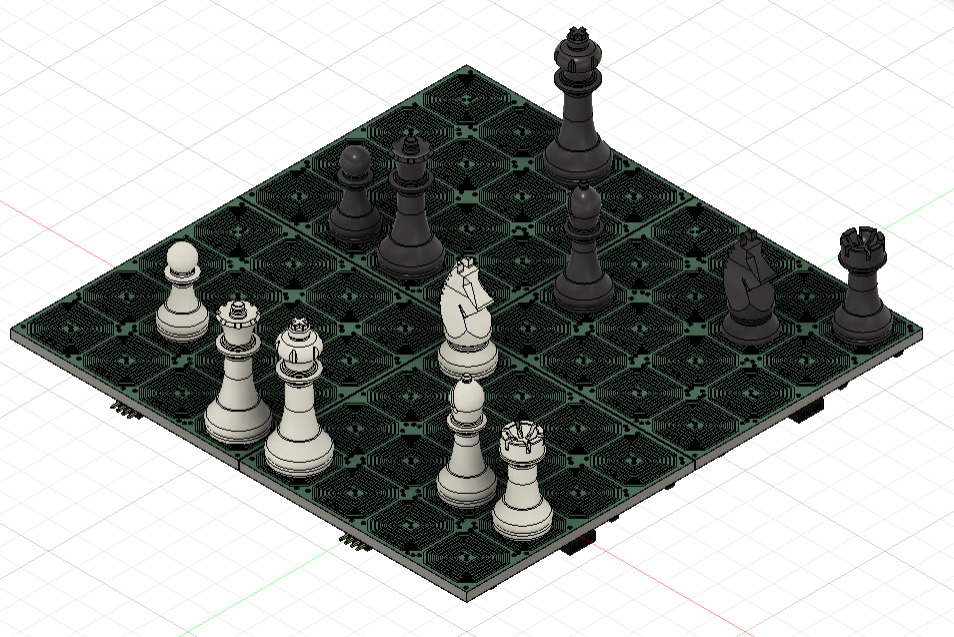
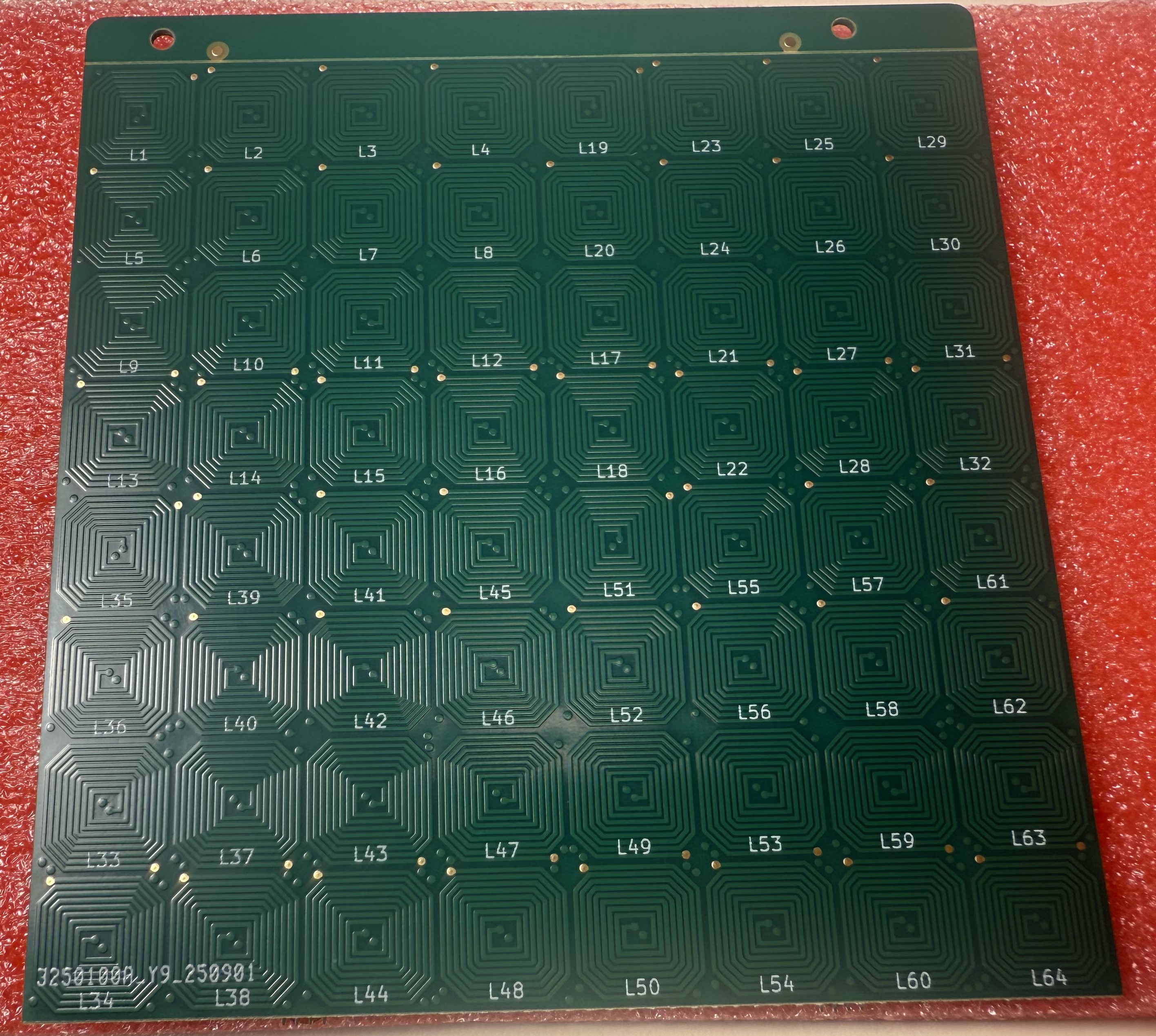
Six-layer electromagnetic PCB that automatically moves physical chess pieces for remote or AI play.
View project →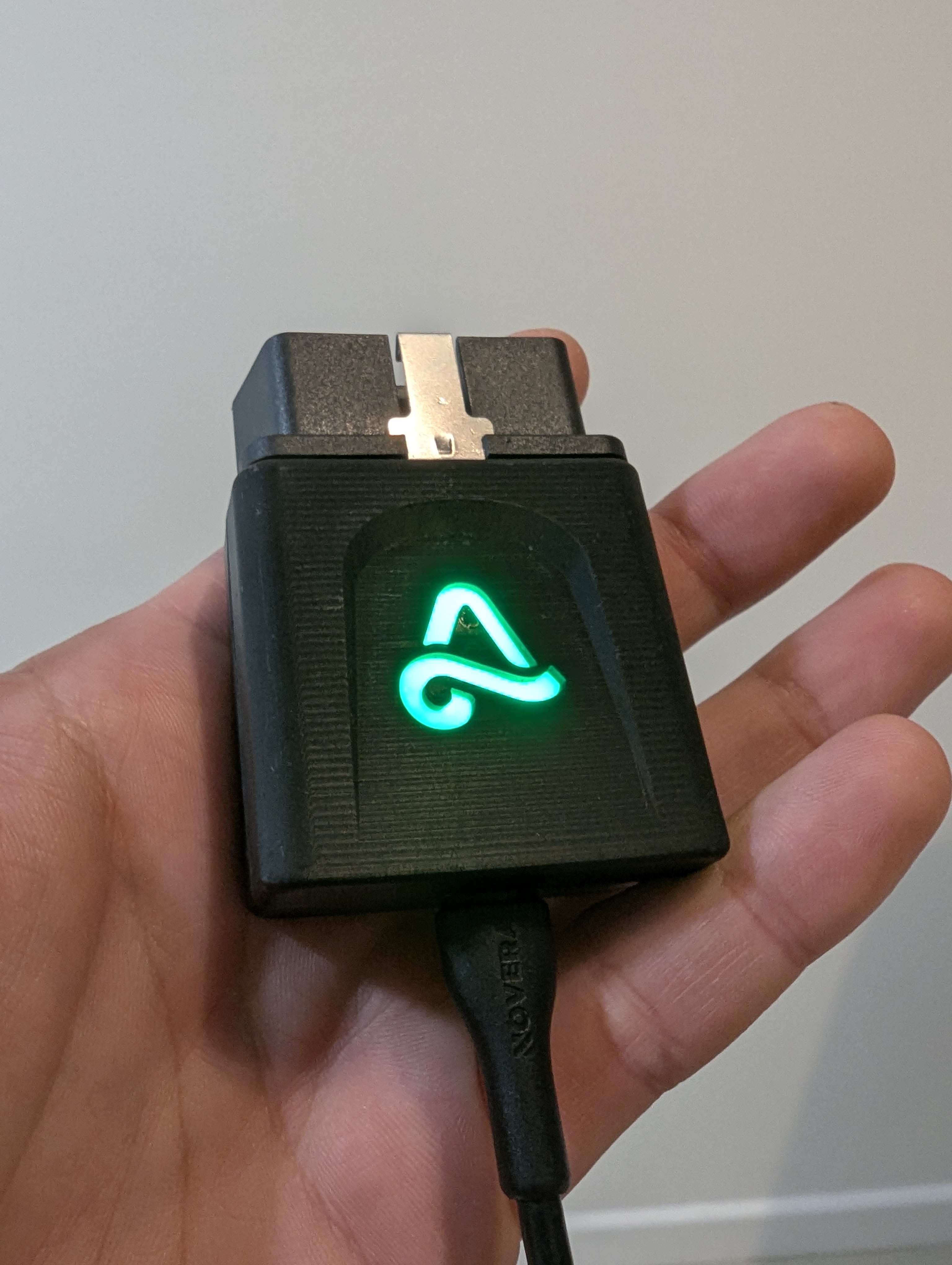
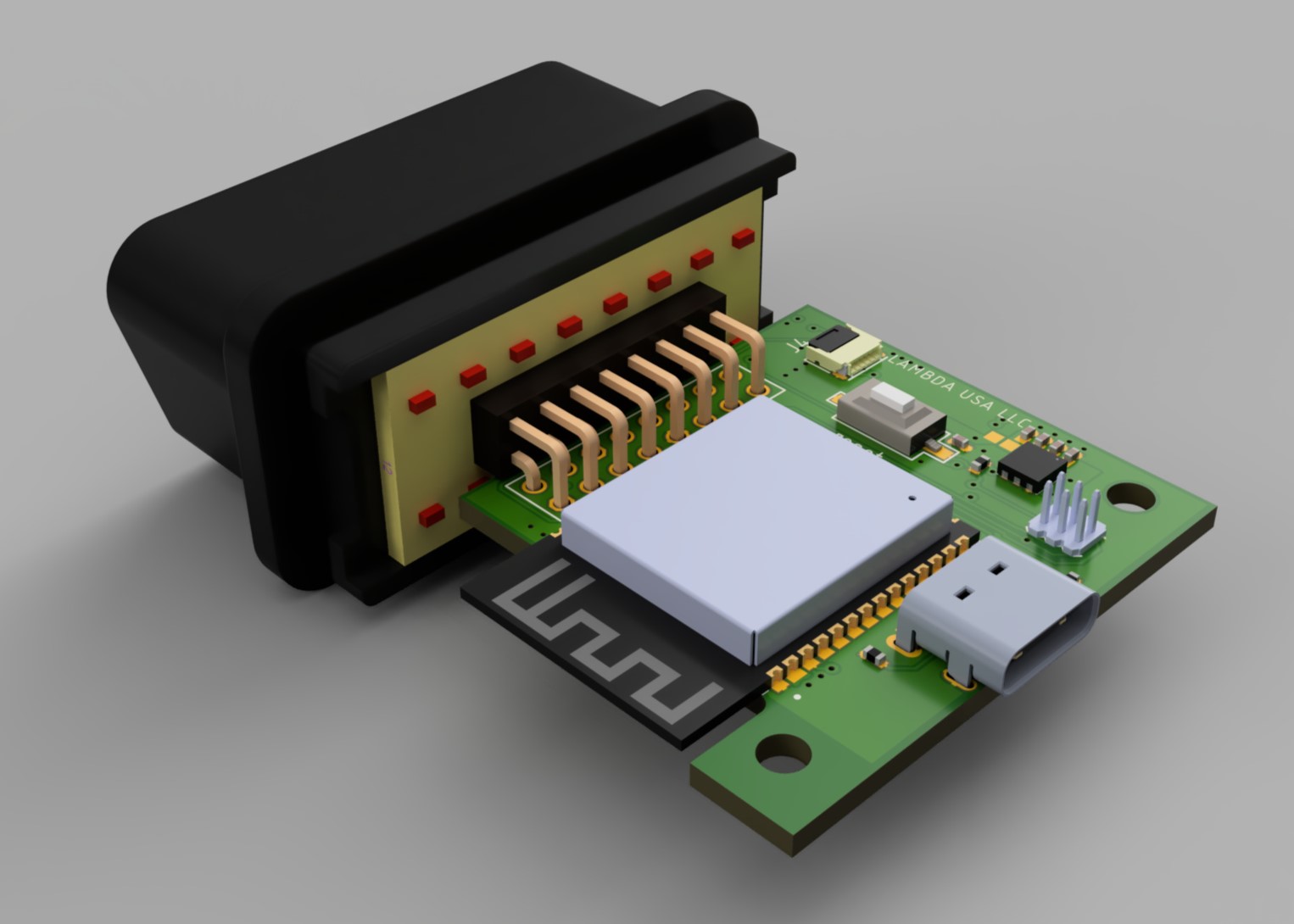
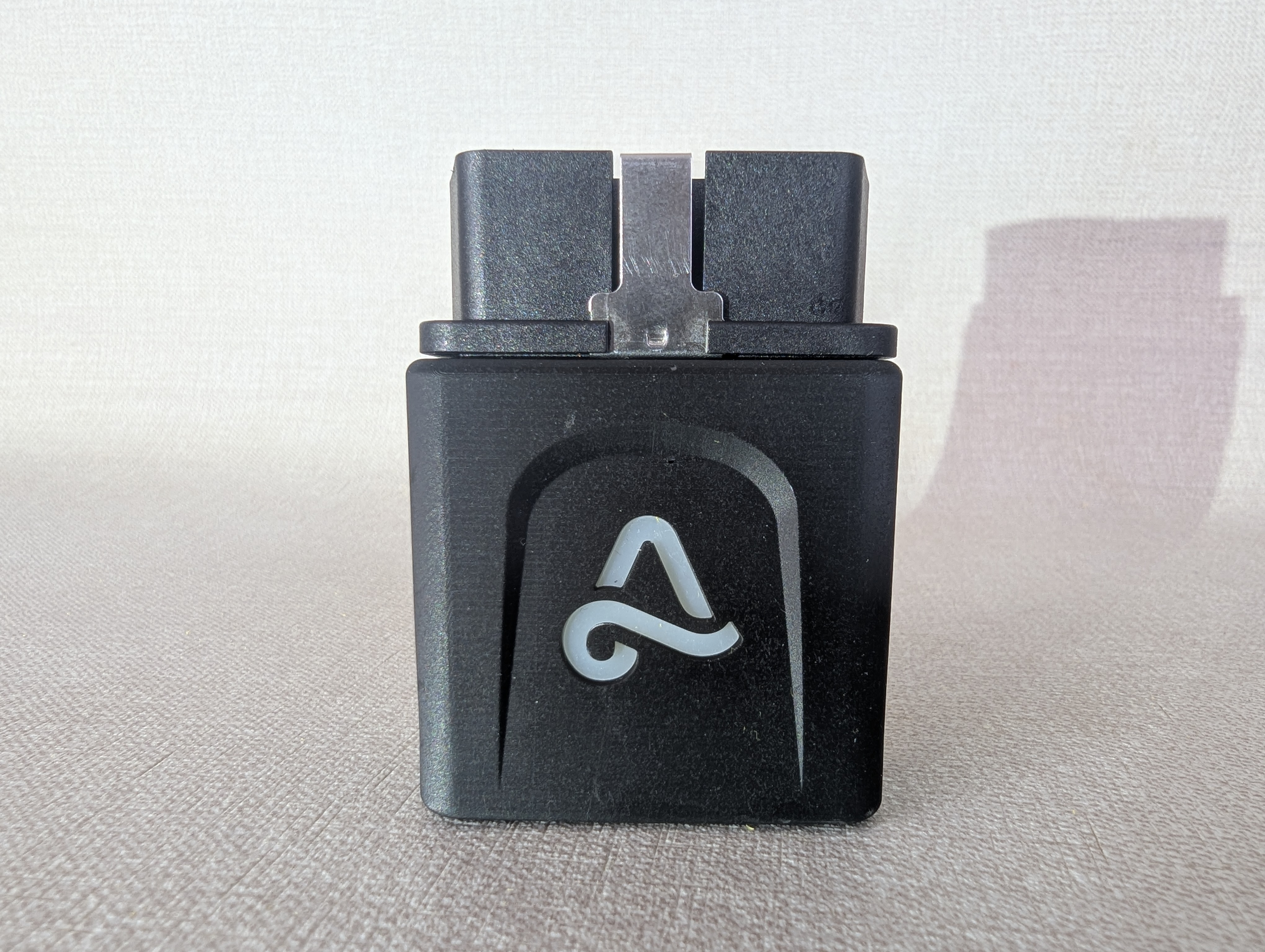
Advanced vehicle diagnostics and ECU reprogramming with CAN FD support and wireless connectivity.
View project →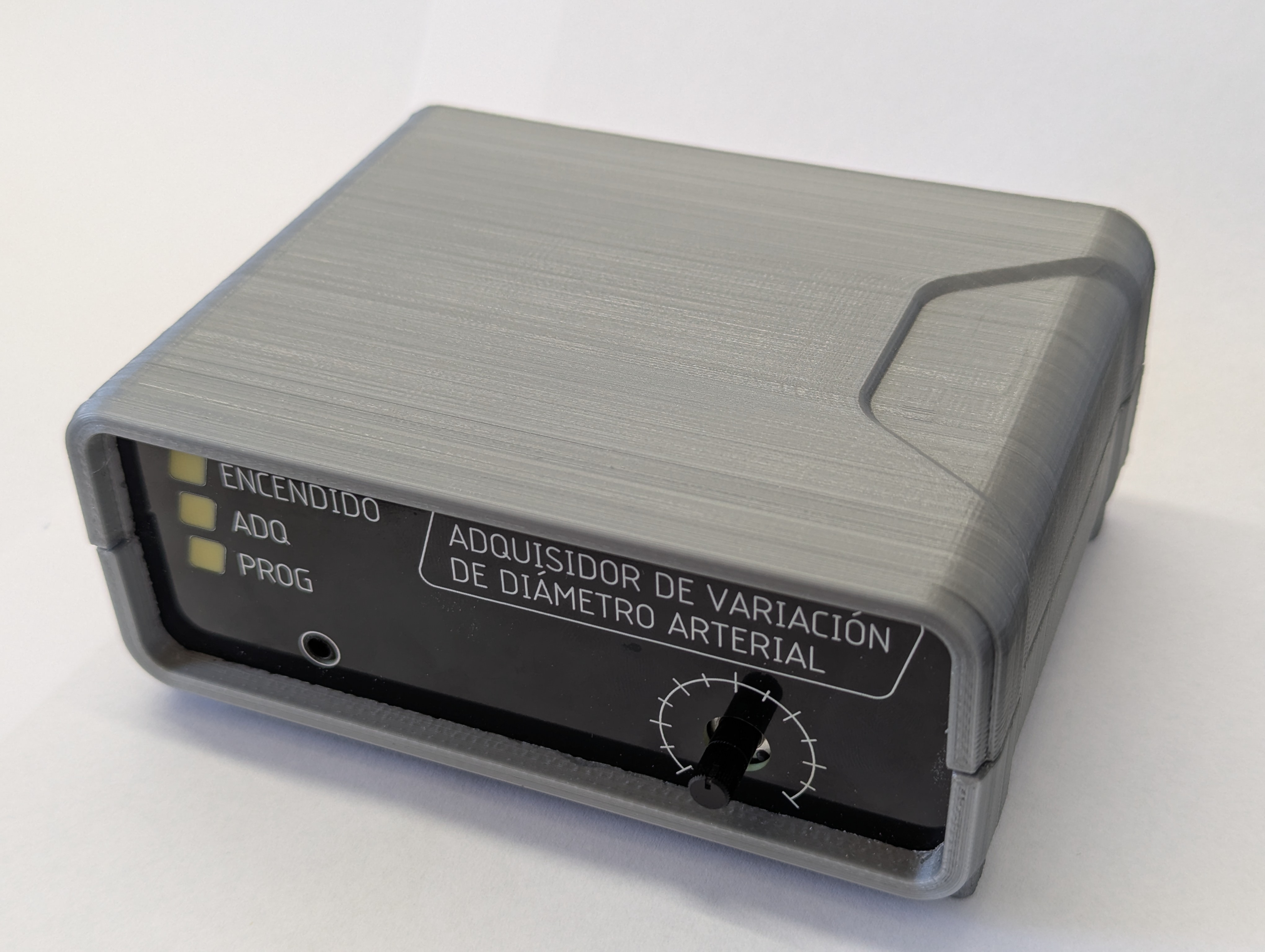
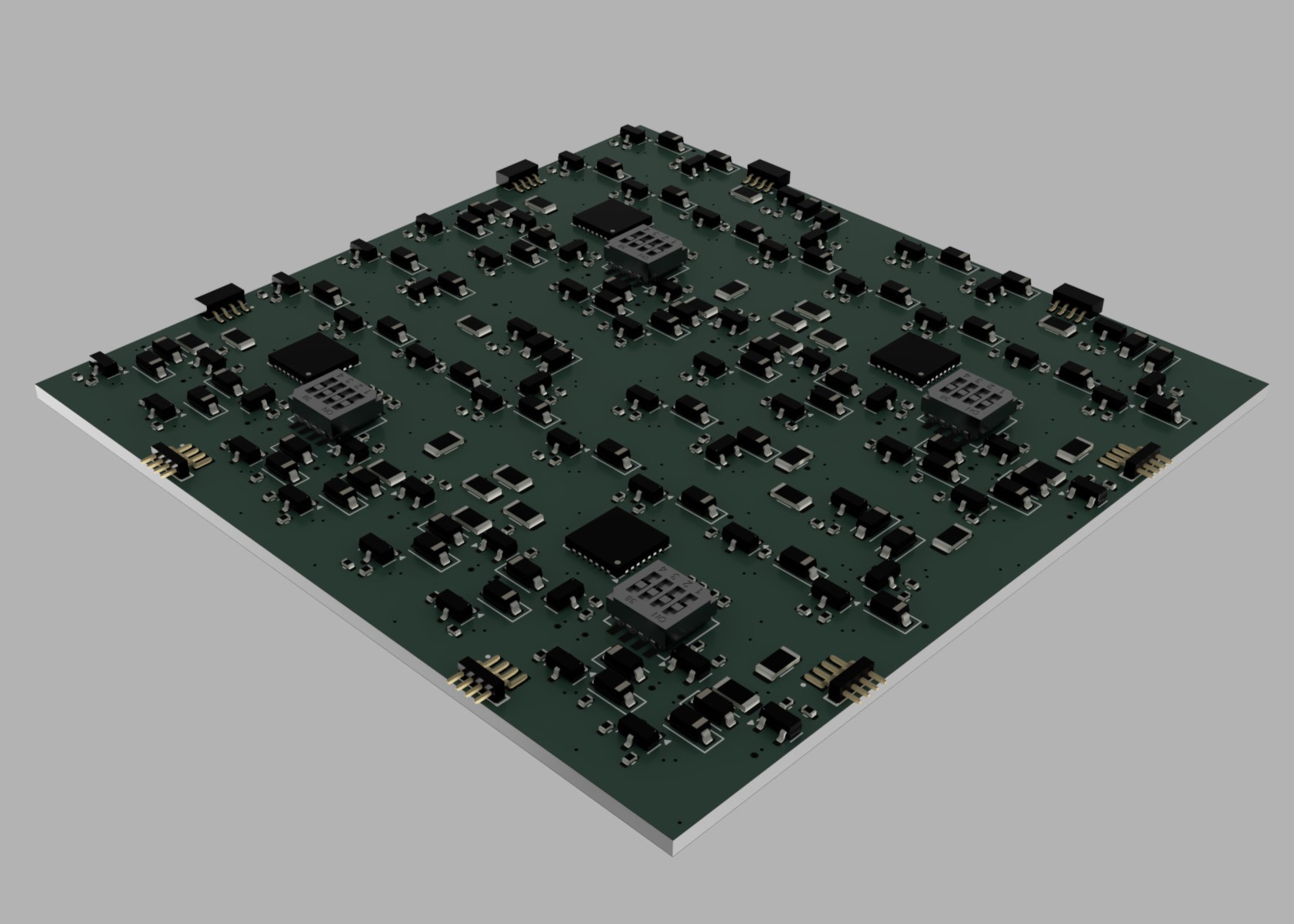
Non-invasive arterial diameter variation measurement platform with low-noise analog front-end and real-time signal processing.
View project →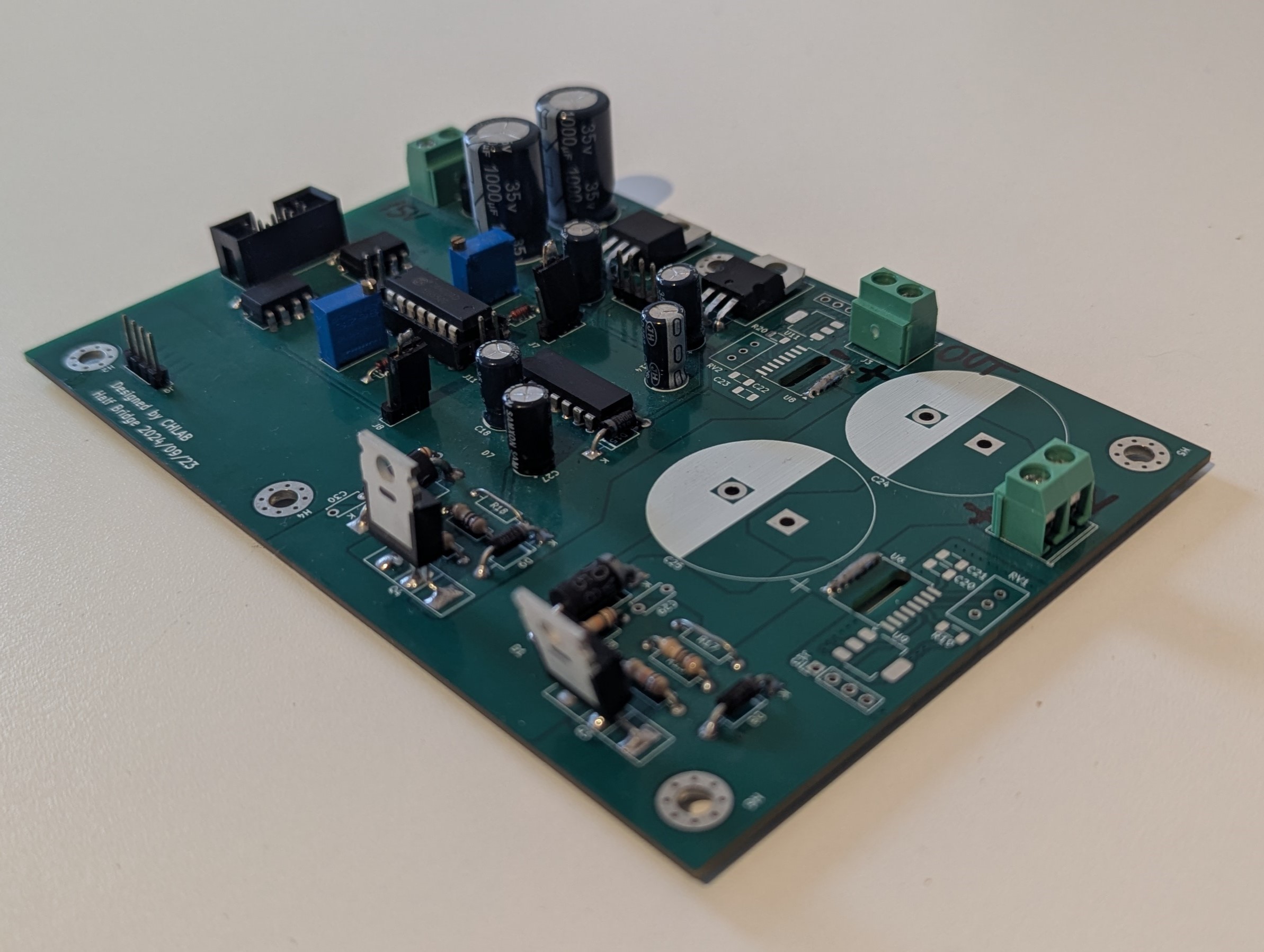
Educational and rapid prototyping platform for power electronics.
View project →This project was developed to recreate the experience of playing chess against a remote opponent or an artificial intelligence while preserving the interaction of a traditional physical chessboard. Unlike conventional digital platforms, the system automatically moves the pieces across the board, allowing players to interact with real chess pieces rather than a screen-based interface.
The technology is based on a matrix of electromagnets integrated directly into a six-layer PCB. Each square contains a coil, while the chess pieces incorporate permanent magnets that enable controlled movement across the board. One of the primary engineering challenges was the PCB architecture itself: five of the six layers were dedicated to the electromagnet coils, leaving only a single layer available for signal routing and control electronics. This required careful layout optimization to balance electromagnetic performance, electrical constraints, and manufacturability.
ORION developed the complete electronic system, including multilayer PCB design, electromagnet control architecture, embedded firmware, and prototype development. The project demonstrated the feasibility of using a multilayer PCB as an electromagnetic actuation platform for the precise control and positioning of physical chess pieces.
Developed to provide advanced vehicle diagnostics and ECU reprogramming capabilities for modern vehicles, including CAN FD support and wireless connectivity with mobile devices. The device enables access to and modification of vehicle parameters for motorsport applications, fuel efficiency optimization, and drivability tuning.
The primary challenge was developing a robust automotive-grade platform capable of supporting multiple communication protocols, Bluetooth and Wi-Fi connectivity, and a hardware architecture suitable for high-volume manufacturing.
CHLAB delivered the product end-to-end, including hardware design, embedded firmware development, industrial design of the enclosure, and Design for Manufacturing (DFM). The scope also included supply chain management, manufacturing, assembly, and validation of the initial production batches, allowing the client to move from an early concept to a market-ready commercial product. The device is currently manufactured and sold in the United States.
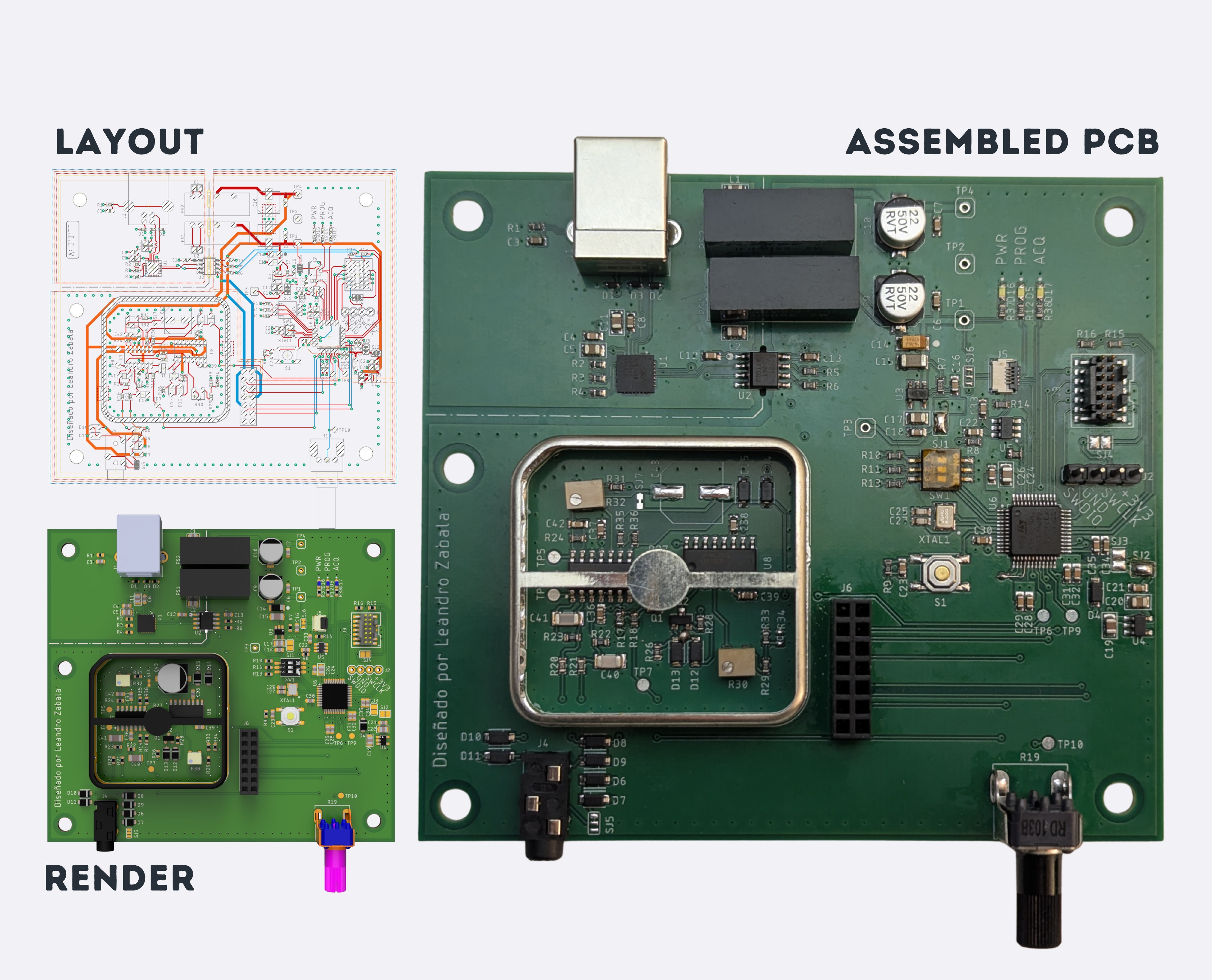
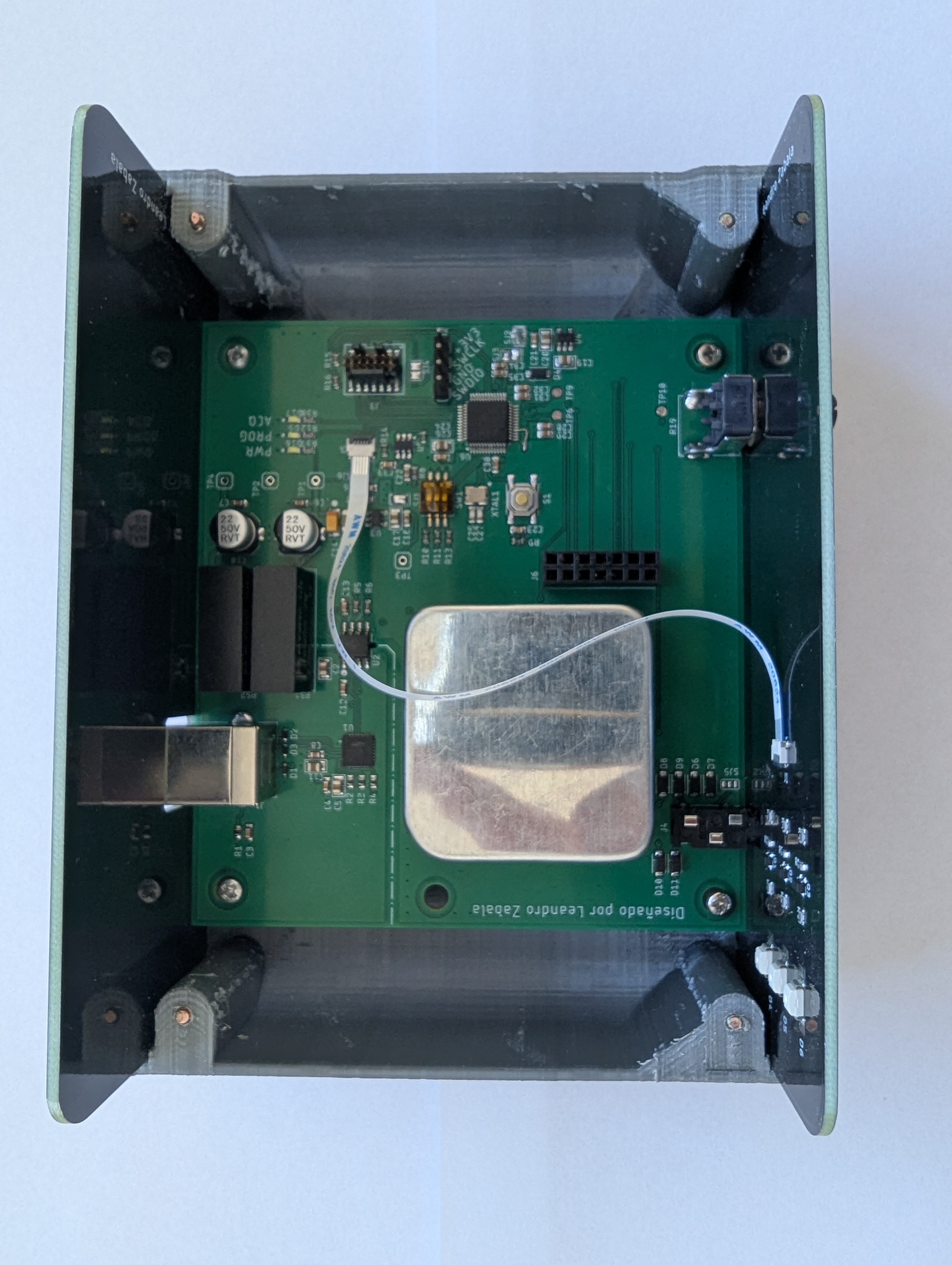
This project was developed for the non-invasive measurement of Arterial Diameter Variation (ADV), a technique used in biomedical research to assess cardiovascular and hemodynamic parameters. The system enables the acquisition and analysis of extremely small arterial diameter changes in real time, providing valuable data for studies related to arterial stiffness, vascular function, and physiological monitoring.
The primary technical challenge was the development of the sensing element and transducer based on a commercial piezoelectric disc. The signal of interest is extremely small and buried in interference sources such as 50/60 Hz mains noise and other environmental disturbances. The project required the design of low-noise analog electronics, high-resolution data acquisition, and advanced signal processing techniques to maximize signal-to-noise ratio and achieve reliable, repeatable measurements.
ORION delivered the complete system, including hardware design, embedded firmware, PC software for data acquisition and analysis, mechanical design, and prototype manufacturing. The result was a functional research platform used in academic environments for biomedical instrumentation and non-invasive cardiovascular assessment.
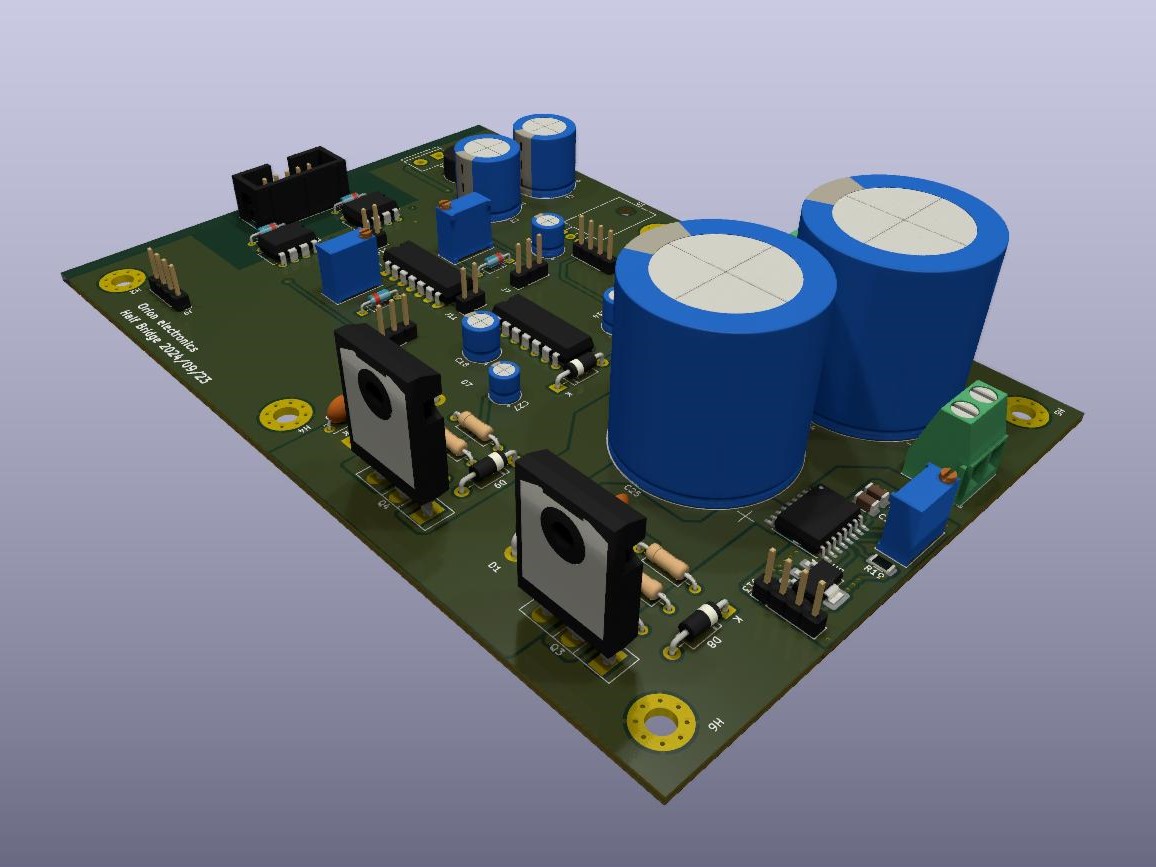
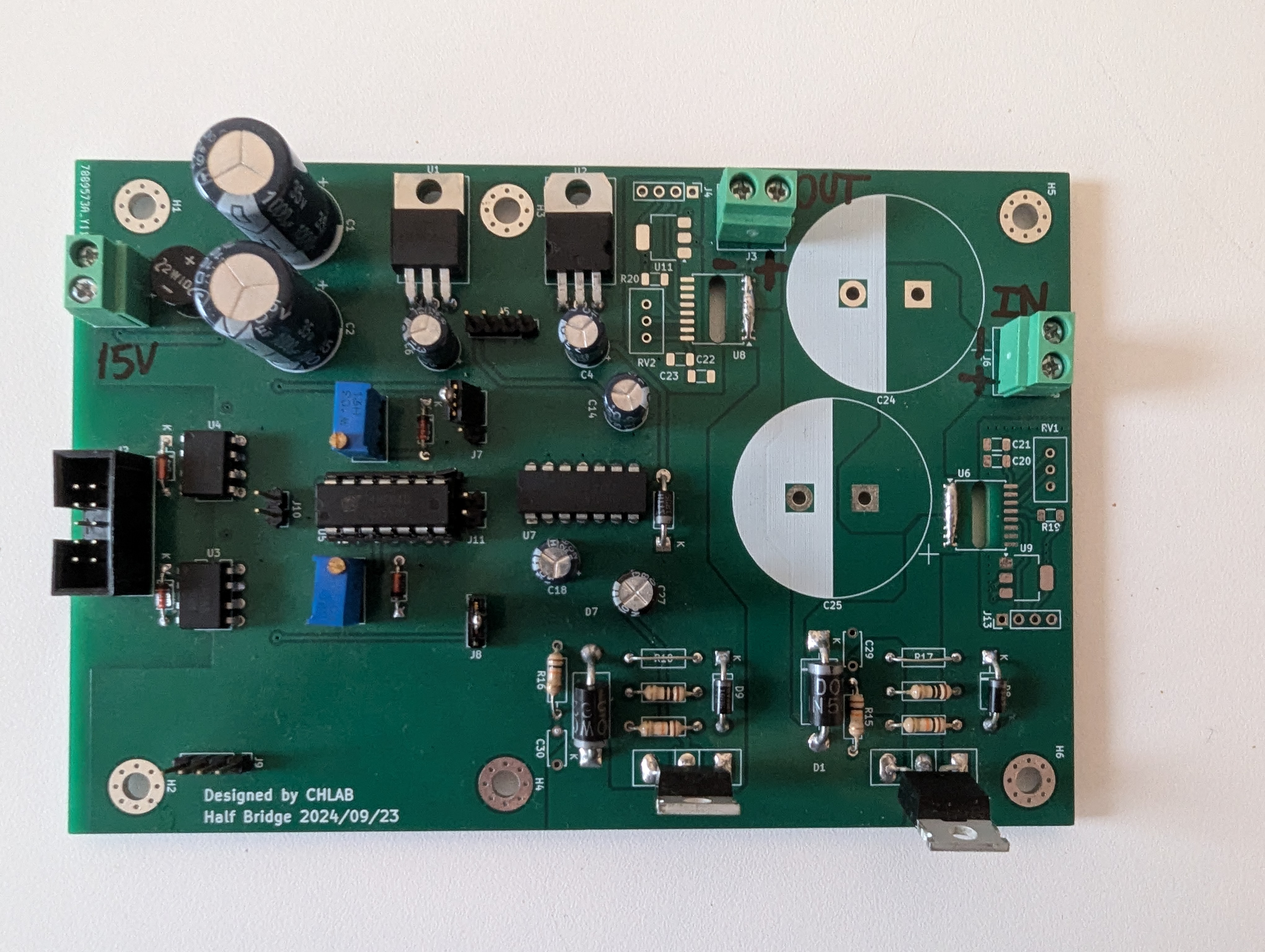
This project was developed as an educational and rapid prototyping platform for power electronics. Its purpose is to enable the evaluation and validation of different power conversion topologies without requiring a dedicated PCB for each application. A single module can be used to implement Buck, Boost, and Half-Bridge converters, while multiple modules can be combined to build Full-Bridge converters, resonant LLC converters, DC motor drives, and three-phase brushless motor controllers.
The primary challenge was designing a platform flexible enough to support a wide range of power architectures while maintaining the robustness, safety, and ease of use required in educational and laboratory environments. The module integrates opto-isolated inputs, isolated current measurement, adjustable analog duty-cycle generation, and a power stage based on N-channel MOSFETs driven by a high-side/low-side bootstrap driver. The architecture was optimized for operation up to 600 W, enabling a broad range of applications to be evaluated using the same hardware platform.
ORION developed the hardware, firmware, and technical documentation, creating a reusable tool for experimentation, concept validation, and power converter development before committing to custom electronic designs.
Have a project in mind or want to explore how Orion Engineering can help bring your hardware idea to life? Reach out and we'll get back to you promptly.